

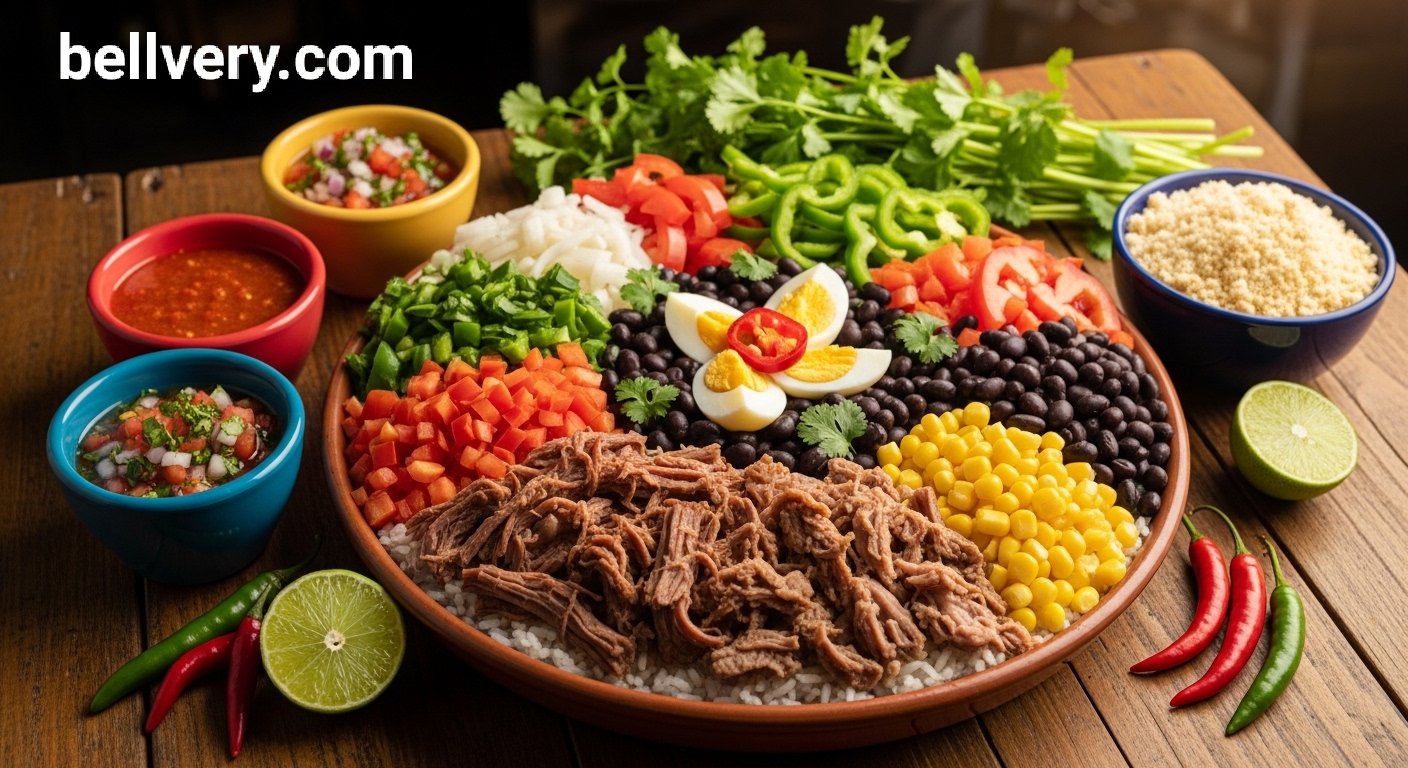
Are you ready to dive into the delicious world of piçada? This savory dish, rich in flavor and history, is a true gem of culinary tradition. Whether you’re a seasoned chef or just starting your cooking journey, mastering the art of making piçada can elevate your dining experience. With its unique blend of ingredients and mouthwatering taste, it’s no wonder this dish has gained popularity among food enthusiasts. Let’s explore what makes piçada so special and discover how you can create it right in your kitchen!
How to Pronounce Piçada
Pronouncing piçada might seem tricky at first, but it’s simpler than you think. The word is pronounced as pee-SAH-dah, with an emphasis on the second syllable.
To get it just right, practice saying it slowly. Allow each syllable to flow naturally. Once you’ve nailed the pronunciation, you’ll feel more confident discussing this delightful dish with friends and family. Plus, understanding how to say piçada will enhance your culinary conversations and make you sound like a true aficionado of this flavorful creation!
Translation and Meaning of Piçada
The term “piçada” originates from Portuguese, specifically within the culinary context of Brazil. It refers to a hearty dish that showcases various meats and vibrant seasonings, capturing the essence of traditional South American flavors.
Literally translating to “a little piece,” piçada evokes images of shared meals, where friends and family gather around a table. This dish is not just food; it represents community spirit and cultural pride, making each bite an experience rooted in local traditions.
Historical Background and Cultural Significance
Piçada has deep roots in Portuguese culinary traditions, originating from the rustic kitchens of rural communities. This dish reflects the resourcefulness of local cooks who crafted meals using simple, available ingredients.
Over time, piçada became a symbol of communal gatherings and family celebrations. Its preparation is often accompanied by storytelling and shared laughter, reinforcing social bonds. As it evolved through generations, piçada retained its cultural significance while adapting to regional flavors across different countries today. It continues to be cherished as more than just food—it’s a celebration of heritage and togetherness.
Preparation Techniques and Ingredients
To create an authentic piçada, start with high-quality ingredients. Traditional recipes often call for fresh cuts of meat, typically beef or pork. Marinating the meat in a mix of garlic, olive oil, and herbs enhances flavor.
Next comes the preparation technique. The marinated meat is grilled to perfection over open flames or on a charcoal barbecue. This imparts a smoky aroma that elevates the dish’s profile. Pair it with roasted vegetables and crusty bread for an unforgettable meal that captures the essence of piçada’s rustic charm.
Variants and Flavor Variations
Piçada is a versatile dish that invites creativity. While the classic version features beef or pork, many variations exist. Some recipes incorporate chicken or seafood, offering unique flavor profiles that cater to different palates.
Spices and marinades also play a crucial role. From smoky paprika to zesty citrus blends, each addition brings its own twist. You can experiment with herbs like cilantro or parsley for freshness, while others might prefer a spicy kick with chili peppers. This adaptability makes piçada an exciting dish for every occasion.
Modern Chefs’ Take on Piçada
Modern chefs are reinventing piçada, blending traditional techniques with contemporary flavors. They experiment with local ingredients and inventive toppings, adding a unique twist to this classic dish.
Some use gourmet cheeses or infused oils to elevate the taste experience. Others incorporate unexpected spices or fresh herbs that enhance the flavor profile without compromising authenticity. These creative interpretations keep piçada relevant in today’s culinary scene while respecting its cultural roots. Chefs aim not just to serve food but to tell a story through their dishes, making each bite an exploration of tradition and innovation.
Incorporating Local and Seasonal Ingredients
Using local and seasonal ingredients elevates piçada to new heights. Fresh vegetables, herbs, and meats not only enhance flavor but also support sustainability. When you choose what’s in season, you’re tapping into the best that nature has to offer.
For instance, ripe tomatoes in summer or earthy root vegetables in fall can transform your dish. Local farmers’ markets are treasure troves for these vibrant ingredients. Experimenting with what’s available creates a unique twist on classic piçada while connecting you to your community and its rich culinary traditions.
Health Benefits and Conclusion
Piçada is not only a delicious dish, but it also packs several health benefits. The ingredients often include fresh vegetables, lean meats, and herbs that are rich in essential nutrients. These components contribute antioxidants, vitamins, and minerals to your diet.
Incorporating piçada into your meals can promote better digestion due to the fiber content from vegetables. Lean proteins help build muscle while providing energy for an active lifestyle. Additionally, using local and seasonal ingredients maximizes freshness and flavor.
Enjoying this flavorful dish can be a wholesome experience that supports both cultural traditions and personal well-being. Exploring piçada’s various flavors allows you to delight in its versatility while nourishing your body at the same time. Embrace this culinary art form as part of your kitchen adventures!