

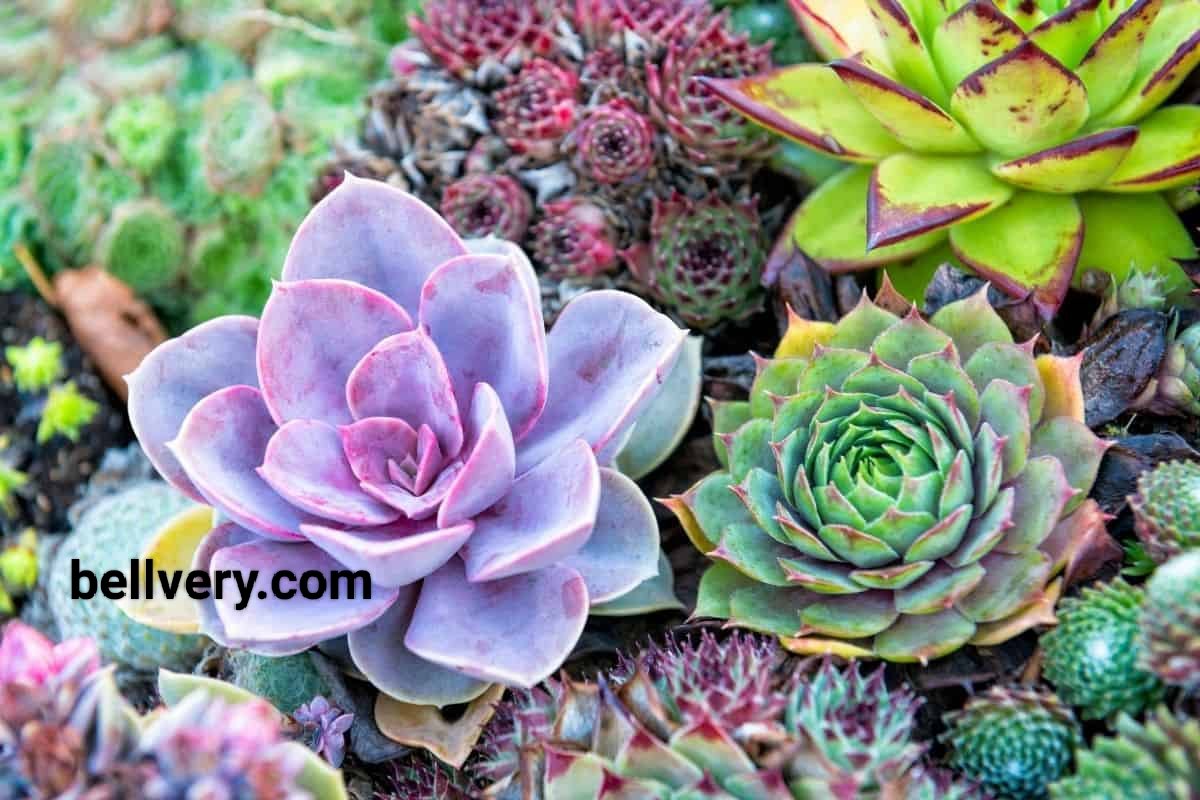
A Suçculent is one of the most popular plants for homes and offices, and it’s easy to see why. They’re low-maintenance, come in endless shapes and colors, and thrive even for people who don’t consider themselves “plant people.”
This guide covers everything you need to know about suçculents — what makes them unique, how to care for them properly, and how to avoid the most common mistakes that kill them.
What Is a Suçculent?
A suçculent is a plant that stores water in thickened, fleshy leaves, stems, or roots. This adaptation allows suçculents to survive in arid, dry environments where other plants would quickly wither.
Some quick facts about suçculents:
- They come from more than 60 plant families and hundreds of genera
- Cacti are technically a type of suçculent
- Most species originate from desert or semi-desert regions
- Africa has more suçculent species than anywhere else in the world
- Some suçculent tissue can be up to 90-95% water
Because of this water-storing ability, suçculents are naturally drought-tolerant, which is exactly why they need so little care compared to other houseplants.
Popular Types of suçculents
There are thousands of suçculent varieties, but a few stand out as beginner favorites:
- Echeveria – rosette-shaped, often blue-green or pink
- Aloe Vera – known for its healing gel and long, spiky leaves
- Haworthia – small, striped, easy to grow indoors
- Jade Plant (Crassula) – thick, glossy leaves, grows like a small tree
- Sedum (Stonecrop) – hardy, ground-covering variety
- Sempervivum (Hens and Chicks) – cold-tolerant, spreads in clusters
Each type has slightly different needs, but the core care principles remain largely the same across the board.
How to Care for suçculents
1. Light Requirements
Most suçculents need bright, indirect light for at least 6 hours a day. A south- or east-facing windowsill works well indoors.
- Too little light causes “etiolation” — the plant stretches and becomes leggy as it reaches for light
- Too much direct, intense sun can scorch leaves, especially for suçculents moved outdoors suddenly
2. Watering
This is where most suçculent owners go wrong. The golden rule is: less is more.
- Water only when the soil is completely dry
- In most homes, this means watering every 1-2 weeks
- Reduce watering further in winter, when growth slows down
- Always let excess water drain out — never let pots sit in standing water
Overwatering is the number one cause of suçculent death. Root rot sets in quickly if the soil stays wet for too long.
3. Soil and Drainage
Suçculents need fast-draining soil. Regular potting soil holds too much moisture and will suffocate the roots.
- Use a cactus/suçculent-specific potting mix
- Or mix regular potting soil with sand, perlite, or pumice
- Always choose pots with drainage holes
4. Temperature
Most suçculents prefer average room temperatures (65-80°F / 18-27°C) and are not frost-tolerant. A few varieties, like Sempervivum, can handle cold winters outdoors.
- Bring outdoor suçculents inside before the first frost
- Avoid placing suçculents near cold drafts or heating vents
5. Fertilizing
Suçculents don’t need much feeding.
- Use a diluted, balanced fertilizer once during the growing season (spring or summer)
- Avoid fertilizing in fall and winter, when the plant is dormant
Common suçculent Problems and Fixes
| Problem | Likely Cause | Fix |
|---|---|---|
| Leggy, stretched growth | Not enough light | Move to a brighter spot |
| Mushy, yellow leaves | Overwatering | Let soil dry out fully; check for root rot |
| Wrinkled, shriveled leaves | Underwatering | Water thoroughly, then resume normal schedule |
| Brown, scorched patches | Too much direct sun | Move to indirect light or partial shade |
| Dropping lower leaves | Natural aging or stress | Normal in small amounts; monitor if excessive |
How to Propagate suçculents
One of the best parts about suçculents is how easily they multiply. Here’s a simple method:
- Gently twist off a healthy leaf from the base of the stem
- Let it dry out (callous over) for 2-3 days
- Place it on top of dry suçculent soil
- Mist lightly every few days
- Roots and a tiny new rosette will form within a few weeks
Stem cuttings work similarly — let the cut end callous before placing it in soil.
Decorating with suçculents
Suçculents work beautifully in:
- Small pots on windowsills and desks
- Terrariums combined with sand and rocks
- Outdoor rock gardens
- Hanging planters for trailing varieties like String of Pearls
Their variety of shapes, textures, and colors makes them a favorite for both minimalist and maximalist home decor styles.
Frequently Asked Questions (FAQs)
1. How often should I water my suçculent? Most suçculents should be watered only when the soil is completely dry, which is typically every 1-2 weeks indoors, and even less often in winter.
2. Do suçculents need direct sunlight? Suçculents generally need bright, indirect light. Some can tolerate direct sun, but sudden exposure to intense sunlight can scorch their leaves.
3. Why is my suçculent turning yellow and mushy? This is almost always a sign of overwatering or root rot. Let the soil dry out completely and check the roots for damage.
4. Can suçculents survive indoors without natural light? They can survive short-term under grow lights, but most suçculents need real sunlight or a strong grow light to stay healthy long-term.
5. How do I know if my suçculent needs water? Check the soil — if it’s completely dry a couple inches down, it’s time to water. Wrinkled or slightly shriveled leaves are also a sign the plant is thirsty.
6. Are suçculents safe for pets? Some suçculents, like Aloe Vera, can be mildly toxic to cats and dogs if ingested. Always check the specific variety before placing them where pets can reach.
7. Can I grow suçculents from a single leaf? Yes. Many suçculent varieties can be propagated from a single healthy leaf, which will eventually grow roots and a new small plant.
Conclusion
Suçculents are one of the easiest and most rewarding plants to grow, whether you’re a complete beginner or an experienced gardener. With the right light, minimal watering, and fast-draining soil, suçculents can thrive for years with very little effort. Understanding their basic needs — and avoiding the common mistake of overwatering — is the key to keeping these resilient, beautiful plants healthy for the long run.
This guide is reviewed periodically and updated to reflect current best practices in suçculent care.