

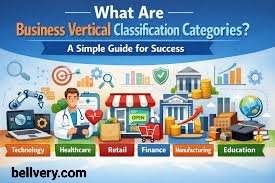
In the fast-paced world of retail, understanding business vertical classification can be a game changer. It’s not just about selling products; it’s about knowing where you stand in the marketplace and how to effectively reach your target audience. With countless options available, categorizing your retail business helps streamline operations and enhance customer experiences. Whether you’re a budding entrepreneur or an established brand, grasping this concept can unlock new opportunities for growth and success. Dive into our comprehensive guide and discover how mastering retail business vertical classification can elevate your venture!
Understanding Retail Business Vertical Classification: A Comprehensive Guide
Retail business vertical classification involves categorizing businesses based on shared characteristics. This framework helps companies identify their niche, streamline operations, and tailor marketing strategies to meet specific consumer needs within defined markets.
What Retail Business Vertical Classification Means
Retail business vertical classification refers to categorizing retail businesses based on their product offerings and market focus. This helps in identifying specific sectors, facilitating targeted strategies and enhancing operational efficiency.
Why Business Vertical Classification Is Important
Business vertical classification is vital for identifying target markets, streamlining operations, and enhancing marketing strategies. This clarity fosters competitive advantage, allowing retailers to tailor offerings effectively and meet customer needs more precisely.
Common Categories in Retail Business Vertical Classification
Retail business vertical classification includes categories such as food and beverage, fashion and apparel, electronics and technology, health and beauty, home and lifestyle, and service-based businesses. Each targets specific consumer needs.
How Retail Assigns Business Verticals
Retail assigns business verticals based on product categories, target audience demographics, and purchasing behaviors. This classification helps streamline operations and tailor marketing strategies for specific consumer segments, enhancing overall efficiency.
Advantages for Retail Businesses
Retail business vertical classification streamlines operations. It enhances targeted marketing efforts and improves customer engagement. With clearer categorization, businesses can better tailor their offerings to meet specific market demands effectively.
Challenges in Retail Business Vertical Classification
Retail business vertical classification faces challenges like rapidly changing consumer preferences, overlapping categories, and the difficulty of accurately assigning businesses to specific segments. These factors can hinder effective marketing strategies and performance measurement.
The Future of Retail Business Vertical Classification
The future of retail business vertical classification is poised for innovation, leveraging AI and data analytics. This evolution will enhance precision in categorization, enabling businesses to adapt swiftly to changing consumer demands and market trends.
Conclusion
Understanding retail business vertical classification empowers businesses to thrive. Embracing this framework unlocks potential, enhances strategies, and fosters innovation across diverse sectors within the retail landscape. Adaptation is key for future growth.
Better Merchant Organization
Effective retail business vertical classification streamlines merchant organization. It helps categorize products, optimize inventory management, and enhance workflow efficiency, enabling retailers to focus on what matters most: delivering exceptional customer experiences.
Industry-Specific Tools and Features
Industry-specific tools enhance functionality for retail businesses. These features streamline operations, improve inventory management, and cater to unique customer needs, ultimately driving efficiency and boosting sales across various retail verticals.
Improved Data Insights
Retail business vertical classification enhances data insights by allowing businesses to analyze trends and customer behaviors within specific sectors. This targeted approach leads to more informed decisions and tailored marketing strategies.
Risk and Compliance Management
Effective risk and compliance management in retail ensures adherence to regulations. It protects businesses from legal issues while fostering trust among consumers, ultimately leading to a more secure shopping environment.
Food and Beverage
The food and beverage sector thrives on trends, consumer preferences, and innovation. From gourmet restaurants to fast-casual dining, businesses adapt to diverse palates while focusing on sustainability and local sourcing for competitive advantage.
Fashion and Apparel
Fashion and apparel businesses thrive on trends and consumer preferences. They emphasize brand identity, quality, and style while navigating seasonal changes to capture market interest and drive sales effectively.
Electronics and Technology
The electronics and technology sector thrives on innovation. Retailers in this vertical offer everything from smartphones to smart home devices, catering to tech-savvy consumers eager for the latest gadgets and advancements.
Health and Beauty
Health and beauty businesses thrive on understanding customer needs. From skincare to wellness products, they focus on trends, offering solutions that enhance well-being while promoting self-care and confidence among consumers.
Home and Lifestyle
Home and lifestyle retail focuses on products that enhance living spaces. These include furniture, decor, and home improvement items. Consumers seek quality, aesthetics, and functionality to create their ideal environments.
Service-Based Businesses
Service-based businesses focus on providing intangible products, such as consulting or maintenance. They thrive on relationships and customer satisfaction, often relying heavily on personalized service to differentiate themselves in a competitive market.
Targeted Platform Features
Targeted platform features enhance retail business vertical classification by providing tailored tools. These help businesses streamline operations, optimize marketing strategies, and cater to specific customer needs within their unique market segment.
Increased Visibility
Increased visibility allows retail businesses to stand out in a crowded market. By defining specific verticals, companies can better target their audience and enhance brand recognition through tailored marketing strategies.
Better Market Insights
Retail business vertical classification enables companies to gather specific market data. This leads to enhanced understanding of consumer trends, preferences, and competitive landscapes, ultimately guiding strategic decisions for growth and innovation.
Improved Customer Experience
Enhanced retail business vertical classification leads to tailored customer interactions. Businesses can better understand purchasing habits, preferences, and needs, creating a more personalized shopping experience that fosters loyalty and satisfaction among consumers.
Multi-Industry Businesses
Multi-industry businesses navigate diverse markets, blending various retail verticals. This versatility allows them to reach wider audiences and adapt quickly to changing consumer demands while maximizing growth opportunities across sectors.
Business Model Evolution
Business models in retail are evolving rapidly. Innovations like e-commerce, subscription services, and omnichannel approaches reshape how businesses engage with customers and adapt to changing market demands. Flexibility is key for success.
Regional Differences in Industry Definitions
Regional differences in industry definitions can significantly impact retail business vertical classification. Varying regulations, cultural preferences, and market dynamics shape how sectors are categorized across different geographical areas. Understanding these nuances is essential for effective strategy development.
More Read
Explore additional resources to deepen your understanding of retail business vertical classification. Enhance your knowledge with articles, case studies, and expert insights that can guide you in optimizing your retail strategies effectively.
Leave a Reply Cancel reply
Engaging with readers fosters community. The “Leave a Reply” option invites thoughts, while “Cancel reply” provides a choice to pause. Encouraging interaction enhances connections and sparks meaningful discussions among your audience.
Follow Socials
Understanding retail business vertical classification can greatly enhance your strategic approach. As the retail landscape evolves, staying updated with these classifications is crucial for navigating market demands effectively.
For further insights and updates, be sure to follow us on our social media channels. Connect with us for ongoing discussions and valuable resources that can help elevate your understanding of retail dynamics. Stay engaged!