

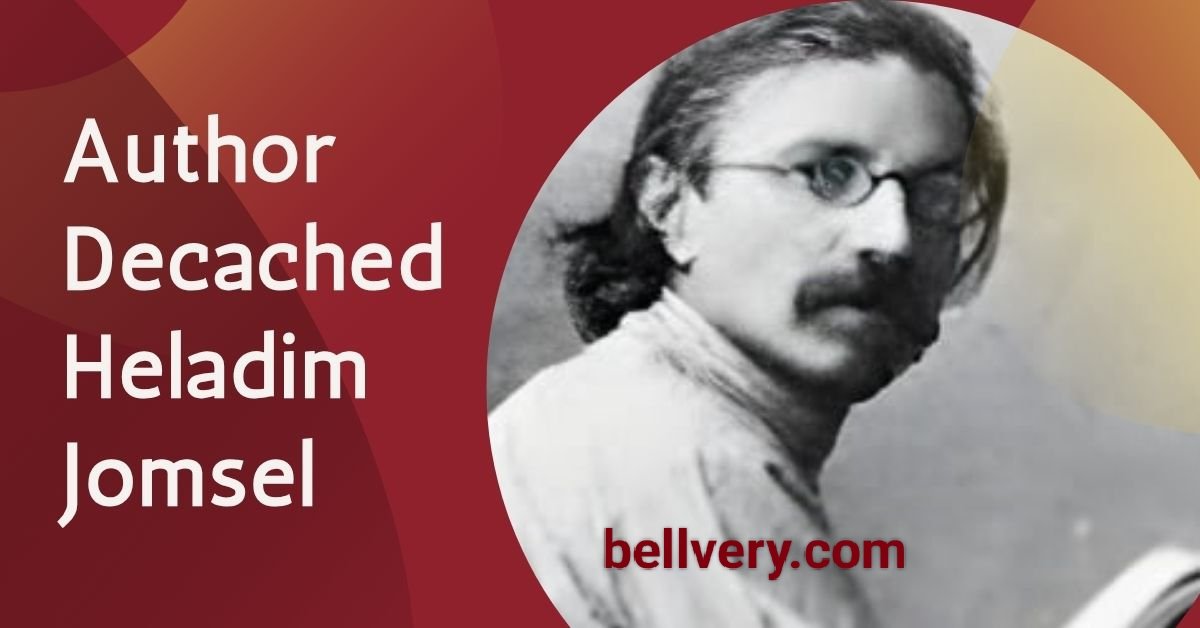
In the ever-evolving landscape of literature, few names spark intrigue quite like that of author Decached Heladim Jomsel. A digital enigma, Jomsel has captivated readers with a unique blend of storytelling and thought-provoking themes. As traditional authorship takes on new forms in the age of technology, this elusive figure invites us to explore pressing questions around identity and credibility in writing. Join us as we delve into the mind behind the pen, uncovering what makes Decached Heladim Jomsel a remarkable voice in contemporary literature.
Exploring the Creative Journey of Decached Heladim Jomsel
Venturing into the world of Decached Heladim Jomsel is like peeling back layers of a fascinating mystery. The allure lies not just in the words but also in the identity behind them. This interview promises to unveil insights that blend personal experiences with creative expression.
Jomsel’s narrative style invites readers to transcend conventional storytelling boundaries. With each question, we unravel how this author navigates themes that resonate deeply within our digital age—a journey filled with surprises and profound reflections waiting to be discovered.
The Emergence of a Digital Author Identity
The rise of the internet has transformed how authors present themselves. Traditional publishing once dictated identity, but now digital platforms allow for diverse personas. Authors can explore various styles and genres without the constraints of conventional norms.
This shift empowers writers like Decached Heladim Jomsel to craft unique identities online. They blend creativity with anonymity, creating a mystique that captivates readers. The digital realm becomes an open playground where authentic voices emerge, unbound by geographic or societal limitations.
Understanding the Concept of “Decached” in Context
The term “decached” carries a unique significance in the world of digital authorship. It suggests a detachment from traditional publishing norms, inviting readers to explore ideas without the constraints of conventional identity. This allows for an unfiltered expression that many modern writers crave.
In this context, Decached Heladim Jomsel embodies this concept perfectly. The name itself evokes curiosity and invites discussions on anonymity and authenticity in literature. Readers are drawn into a realm where thoughts take precedence over personal backgrounds, urging them to engage deeply with the content rather than focusing solely on its creator.
Content Themes and Areas of Expertise
Decached Heladim Jomsel explores a variety of themes that resonate with readers across different genres. From science fiction to philosophical musings, their work often reflects contemporary societal issues while weaving in elements of the fantastical.
This eclectic mix showcases Jomsel’s ability to engage diverse audiences. Their expertise extends beyond mere storytelling; it taps into deeper human experiences and moral dilemmas that invite reflection and discussion among readers. Each piece becomes a mirror, reflecting both individual struggles and collective realities in today’s world.
Evaluating Credibility Through E.
E.
A.
T Principles
Evaluating credibility in the digital age is crucial, especially when it comes to authors like Decached Heladim Jomsel. The E.
E.
A.
T principles—Experience, Expertise, Authoritativeness, and Trustworthiness—serve as a guiding framework. They help readers discern whether the content they consume holds value.
For an author operating under anonymity, these principles are even more vital. Readers need assurance that their insights are rooted in genuine knowledge and experience. By showcasing expertise through well-researched work and maintaining transparency about intentions, Jomsel builds a credible identity that resonates with audiences seeking reliable information.
The Role of Anonymous Authorship in Modern Publishing
Anonymous authorship has gained traction in modern publishing, allowing writers to express ideas without the constraints of personal identity. This freedom can encourage creativity and innovation, as authors feel liberated from societal expectations or biases.
Moreover, anonymity often shifts the focus from the author to the content itself. Readers engage with narratives on their own terms, exploring themes without preconceived notions tied to an author’s reputation or background. This dynamic fosters a unique reading experience that prioritizes substance over celebrity status.
Potential Explanations Behind the Identity
The identity of Decached Heladim Jomsel raises many questions. The choice to remain anonymous might stem from a desire for creative freedom or the need to separate personal life from professional work. This separation can offer a fresh perspective, allowing the author to explore diverse themes without societal constraints.
Another possibility is that anonymity serves as a marketing strategy. By creating an intriguing persona, readers may become more curious about the author’s works. This allure can spark engagement and drive conversations, ultimately enhancing visibility in a crowded digital landscape where unique voices are essential for success.
Implications for Readers and Researchers
The emergence of Decached Heladim Jomsel’s unique identity raises intriguing questions for readers. It challenges the idea of authenticity in literature, prompting fans to consider what lies behind a pen name. Readers are drawn to the mystery and may find deeper connections with the themes presented in Jomsel’s work.
For researchers, this anonymity can both complicate and enrich analysis. The lack of personal background pushes scholars to focus solely on content quality rather than author biography. This shift encourages a more objective examination of themes and ideas, ultimately allowing for broader interpretations within literary studies.
The Future of Digital Authorship
The future of digital authorship is an exciting landscape filled with innovation. As technology advances, writers like Decached Heladim Jomsel are pushing boundaries that redefine how stories are told and consumed. This evolution opens doors for collaboration, interactive storytelling, and even AI-assisted writing.
Readers will engage with content in new ways, leading to a more immersive experience. The rise of decentralized platforms promises to empower authors further while allowing them to maintain creative control. In this dynamic environment, the possibilities for both established and emerging voices seem limitless.
Conclusion
Decached Heladim Jomsel’s journey as an author invites curiosity and intrigue. This digital identity challenges traditional notions of authorship, blending anonymity with authenticity. As readers and researchers engage with his work, they uncover layers of meaning and insight.
The future holds promise for digital authors like Jomsel, as the landscape continues to evolve. It raises questions about how we perceive credibility in a world where pseudonyms flourish. The impact on literature is profound; it encourages exploration beyond conventional boundaries.
Embracing this new era of writers can lead to unexpected discoveries that enrich our reading experiences. With every story shared, Decached Heladim Jomsel carves out a unique space in the literary world that resonates across diverse audiences.