

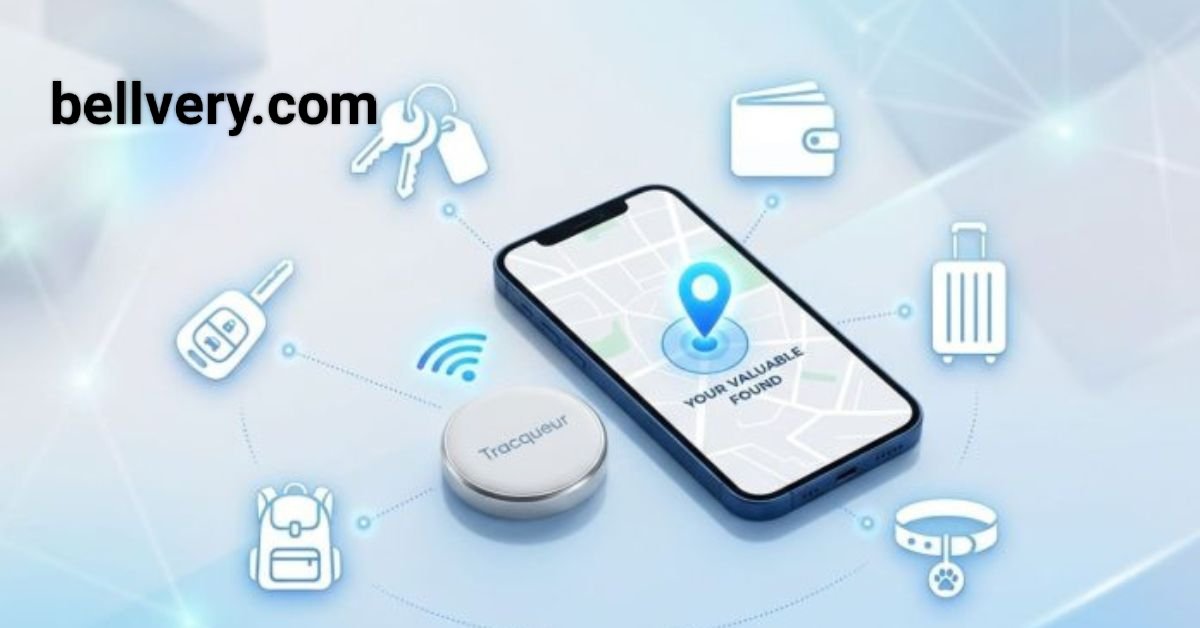
In today’s data-driven world, understanding and leveraging information is crucial. Enter the concept of “tracqueur,” a term that’s been making waves in various industries. But what exactly does it mean? Whether you’re a tech enthusiast or simply curious about how to enhance your data insights, you’re in for an enlightening journey. This guide will unravel the complexities of tracqueur technology, exploring its applications, benefits, and even potential challenges. Buckle up as we delve into everything you need to know about this powerful tool!
Understanding Tracqueur: How It Works and Why It Matters
Harnessing the power of tracqueur can transform how you interact with data. It provides real-time insights, enhances decision-making, and helps uncover hidden patterns within vast datasets. By effectively utilizing tracqueur systems, businesses and individuals alike can gain a competitive edge in today’s fast-paced environment.
English Translation of ‘traqueur’
The English translation of “traqueur” is “tracker.” This term broadly refers to a device or person that follows, monitors, or collects data about movements and activities. Whether in technology or everyday language, “tracker” captures the essence of tracing and analyzing various elements for insight.
Examples of ‘traqueur’ in a Sentence
The traqueur system allowed the company to monitor sales trends effectively. She used a traqueur app to track her fitness goals daily. With a traqueur, businesses can gain insights into customer behavior and preferences. The new traqueur technology has revolutionized data collection methods across various industries.
What Does Tracqueur Mean?
Tracqueur refers to a tracking device or system designed to monitor and collect data. It enables users to follow the movement or behavior of objects and individuals, providing valuable insights for various applications ranging from logistics to personal safety. Understanding its meaning is key to leveraging its potential effectively.
Origins of the Term Tracqueur
The term “tracqueur” originates from French, meaning “tracker.” It combines the verb “traquer,” which means to track or pursue. The usage of this word has evolved, particularly in technology and data analysis contexts, where it signifies systems designed for monitoring and gaining insights from various types of information.
Types of Tracqueur Systems
Tracqueur systems come in various forms, including GPS-based trackers, RFID tags, and software analytics tools. Each type serves unique purposes, from real-time location tracking to data collection for business insights. Understanding these variations helps users select the right system for their specific needs and applications.
Applications of Tracqueur Technology
Tracqueur technology has diverse applications across various sectors. In logistics, it optimizes supply chains by tracking shipments in real-time. Healthcare professionals utilize tracqueurs for patient monitoring and asset management. Additionally, businesses leverage them for marketing insights and customer behavior analysis, enhancing decision-making processes effectively.
Advantages and Challenges of Using Tracqueur
Using tracqueur offers numerous advantages, such as improved data accuracy and real-time insights. However, challenges exist too—privacy concerns and potential misuse of information can arise. Balancing these benefits with ethical considerations is essential for responsible implementation in various settings.
Why Tracqueur Is Important Today
Tracqueur technology plays a vital role in today’s data-driven world. It enhances decision-making, improves efficiency, and helps businesses gain valuable insights. As industries evolve, the ability to track and analyze data becomes essential for staying competitive and meeting consumer demands effectively.
What Is a Tracqueur?
A tracqueur is a specialized device or system designed to monitor and collect data about various subjects. It can track movements, behaviors, or conditions in real-time. This technology enhances insights across multiple sectors, including logistics, health care, and personal security. Its applications are diverse and increasingly vital in today’s world.
Why People Search for Tracqueur
People search for tracqueur because they want to enhance data insights and improve decision-making. Businesses and individuals seek efficient tracking solutions for various applications, from logistics to personal safety. The growing demand for better analytics drives interest in these advanced systems, making them crucial tools in today’s data-driven world.
Common Types of Tracqueur Tools
Tracqueur tools come in various forms. GPS devices are popular for tracking locations, while software applications analyze user behavior online. RFID tags help with inventory management, and wearable tech monitors health metrics. Each type serves unique purposes, enhancing data insights across different sectors and daily life activities.
How Does a Tracqueur Work?
A tracqueur operates by collecting data from various sources, such as GPS signals or sensors. It analyzes this information to provide insights on location, movement patterns, or user behavior. This process often involves sophisticated algorithms that convert raw data into actionable intelligence for businesses and individuals alike.
Benefits of Using a Tracqueur
Using a tracqueur enhances data accuracy and improves decision-making. It allows for real-time monitoring, increases efficiency, and fosters better resource management. Additionally, it provides valuable insights into consumer behavior, helping businesses tailor their strategies effectively to meet customer needs.
Privacy Risks You Should Know
Using a tracqueur can expose sensitive data if not managed properly. Unauthorized access to tracking information may lead to privacy breaches. Users should be aware of potential vulnerabilities, such as data leaks and hacking risks, which could compromise personal information or location details. Always prioritize security measures when employing these tools.
How to Choose the Right Tracqueur
Choosing the right tracqueur involves assessing your specific needs. Consider factors like accuracy, range, and compatibility with other devices. Look for user-friendly interfaces and reliable customer support. Research reviews to gauge performance and ensure it fits your lifestyle or business requirements seamlessly.
Best Uses of a Tracqueur in Daily Life
A tracqueur can enhance your daily life in various ways. Use it to monitor fitness activities, track deliveries, or even locate lost items. In business, it helps streamline logistics and improve inventory management. For personal use, set reminders for important tasks or appointments effortlessly with a simple setup.
Tracqueur vs Tracker: Is There Any Difference?
While both “tracqueur” and “tracker” refer to systems that monitor or follow, the term tracqueur often implies a more sophisticated level of data analytics. Trackers typically focus on location or movement, while tracqueurs can encompass broader data insights. Understanding this distinction enhances their effective application in various contexts.
Conclusion
Embracing the power of tracqueur technology can transform how you gather and analyze data. Whether for personal use or within a business context, understanding its applications leads to more informed decisions. Explore your options, stay aware of privacy considerations, and unlock the potential that tracqueurs offer in today’s data-driven world.
Frequently Asked Questions (FAQ)
What is a tracqueur?
A tracqueur is a device or system used for tracking purposes, often leveraging data insights for various applications.
How does a tracqueur work?
Tracqueurs utilize GPS technology and data analytics to monitor locations, movements, and other metrics in real time.
What are the benefits of using a tracqueur?
Using a tracqueur enhances visibility into operations, improves resource management, and increases personal safety.
Are there privacy risks associated with tracqueurs?
Yes, users should be aware of potential privacy concerns such as unauthorized access to location data.
How do I choose the right tracqueur?
Consider factors like your specific needs, ease of use, accuracy levels required, and budget constraints when selecting a tracqueur.
What are common types of tracqueurs available today?
Popular options include GPS trackers for vehicles, fitness trackers for health monitoring, and software solutions for business analytics.
 backlinks hub