

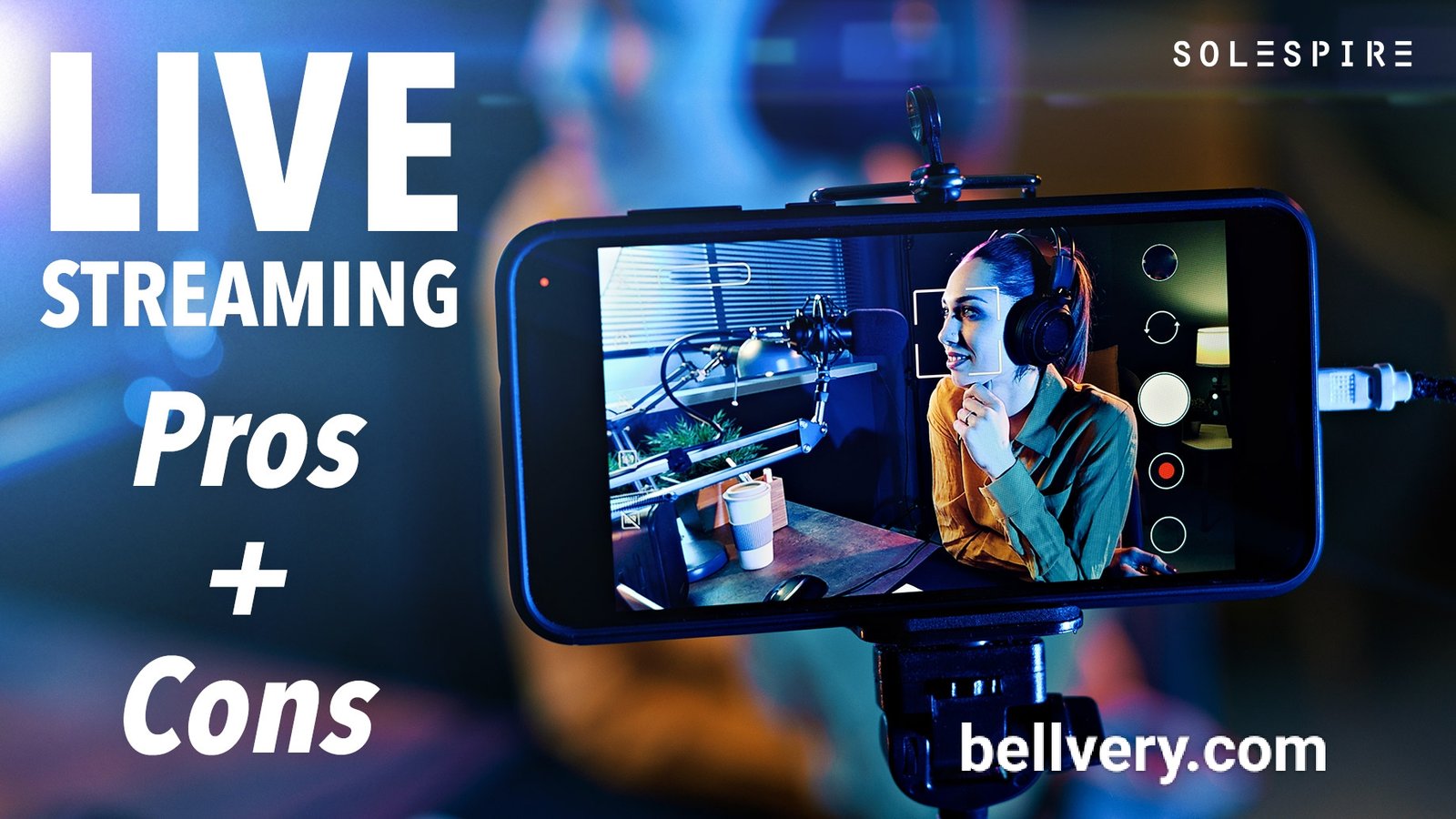
In a world where reality often blurs with fiction, live streaming our everyday lives has gained immense popularity. Enter RealLifeCam, a platform that turns the ordinary into something extraordinary. But what does it mean to share your life in real-time? As viewers tune in from all corners of the globe, we must explore both the allure and potential pitfalls of this digital phenomenon. Let’s dive deep into the pros and cons of live reality streaming and discover what makes us so fascinated by watching others—unfiltered and unapologetic.
Understand the Benefits and Risks of Shared Reality
RealLifeCam offers an intriguing glimpse into the lives of individuals as they navigate daily routines. The excitement stems from witnessing genuine moments, fostering a sense of connection between viewers and streamers. This unfiltered experience can create a community where people feel less alone.
However, with this openness comes inherent risks. Privacy concerns loom large as personal lives become public spectacles. Content creators face ethical dilemmas about what to share while juggling viewer expectations. Balancing authenticity with caution remains a critical challenge in live reality streaming.
Introduction
Live streaming our lives has become a captivating trend, with platforms like RealLifeCam leading the way. This unique form of entertainment allows viewers to peek into the daily routines of individuals around the globe.
But what drives this fascination? The blend of reality and voyeurism presents an intriguing mix that keeps audiences engaged. As we dive deeper, it’s essential to explore both the allure and implications of live reality streaming in today’s digital landscape.
Understanding Live Reality Streaming
Live reality streaming allows viewers to peek into the everyday lives of individuals in real-time. Platforms like RealLifeCam have popularized this trend, offering an unfiltered look at personal interactions and daily routines.
This form of content blurs the lines between entertainment and authenticity. As audiences crave genuine connections, live streaming provides a unique way for creators to engage while showcasing their true selves. It’s both captivating and revealing, drawing millions into a world that feels relatable yet extraordinary.
What is Live Reality Streaming?
Live reality streaming is a new trend that allows viewers to watch real-life events as they unfold. This format often features individuals or groups living their daily lives, providing an unfiltered glimpse into their routines and interactions.
Platforms like RealLifeCam have gained popularity by showcasing candid moments from various locations around the world. The allure lies in the spontaneity and authenticity, drawing audiences who crave genuine experiences rather than scripted content. It’s a unique way to connect with others on a personal level.
Global Attention Towards Live Reality Streaming
Live reality streaming has captivated audiences around the globe, transcending cultural boundaries. Platforms like RealLifeCam have gained immense popularity, drawing viewers eager to witness unscripted moments from everyday life.
The rise of social media and instant access to content fuels this fascination. People are curious about how others live, leading to a shared experience that bridges distances. This global attention reflects our innate desire for connection and authenticity in an increasingly digital world.
Ethical and Privacy Considerations
Live reality streaming raises significant ethical and privacy questions. Participants often share their lives without fully understanding the implications. Once online, personal moments can be permanently captured and shared beyond the initial scope of intent.
Additionally, viewers may feel a false sense of intimacy with streamers, blurring boundaries between public personas and private lives. This dynamic can lead to exploitation or unwanted attention for those featured in realifecam settings, highlighting the need for strict guidelines around consent and transparency.
Privacy Concerns
Privacy concerns are at the forefront of discussions surrounding realifecam. When individuals choose to broadcast their lives, they often unknowingly expose personal details that could be misused. Every moment captured is a potential threat to their privacy.
Moreover, viewers may not fully grasp the implications of watching someone live-stream their daily routines. This can lead to unwanted attention or harassment for the participants. The blurred lines between public and private life create a complex landscape fraught with challenges and risks for everyone involved.
Ethical Considerations
Live reality streaming raises significant ethical questions. The line between entertainment and exploitation can easily blur. Participants often navigate complex consent issues, especially when their private moments become public spectacle.
Moreover, the impact on viewers is profound. People may form unhealthy attachments to streamers, blurring boundaries of personal relationships. It’s crucial to examine how these dynamics affect both content creators and their audience in a world increasingly tuned into real life through cameras.
Psychological Appeal of Real Life Viewing
The allure of real life viewing lies in its raw authenticity. Audiences are drawn to the unfiltered moments that capture genuine emotions and experiences. This connection creates a sense of intimacy, making viewers feel like they are part of someone else’s life.
Moreover, live streaming taps into our innate curiosity. We love to observe how others navigate their daily routines, facing challenges and celebrating victories. This voyeuristic element satisfies our desire for connection while offering an escape from our own realities.
Opportunities and Challenges for Content Creators
Content creators in the live streaming space, like those on RealLifeCam, face unique opportunities. They can connect with audiences in real-time and build a loyal following. Authenticity resonates deeply with viewers, making it easier to cultivate community engagement.
However, challenges abound as well. The pressure to maintain constant content can lead to burnout. Additionally, navigating privacy concerns while delivering captivating streams requires careful balance and consideration of audience expectations versus personal boundaries.
The Future of Live Reality Streaming
As technology evolves, live reality streaming is set to become even more immersive. Innovations like virtual and augmented reality may soon allow viewers to experience a 360-degree view of everyday moments. This could significantly enhance engagement, pulling audiences deeper into the lives being streamed.
Content creators will have new tools at their disposal for storytelling and interaction. Enhanced features can foster community building while presenting ethical dilemmas that need addressing as the line between entertainment and privacy continues to blur.
Conclusion
As we navigate the landscape of live reality streaming, it becomes clear that platforms like RealLifeCam have transformed how we perceive and interact with daily life. The blend of connection and exposure brings both exciting opportunities and serious challenges.
For viewers, this offers a unique glimpse into the lives of others. For creators, it’s a chance to monetize their experiences while grappling with ethical dilemmas. As technology evolves, so too will our understanding of privacy and consent within this realm.
The future remains uncertain but undoubtedly captivating as we continue to explore what it means to share our lives in real-time. Embracing both its pros and cons may lead us toward a new level of community engagement or raise more questions than answers about personal boundaries.
 backlinks hub