

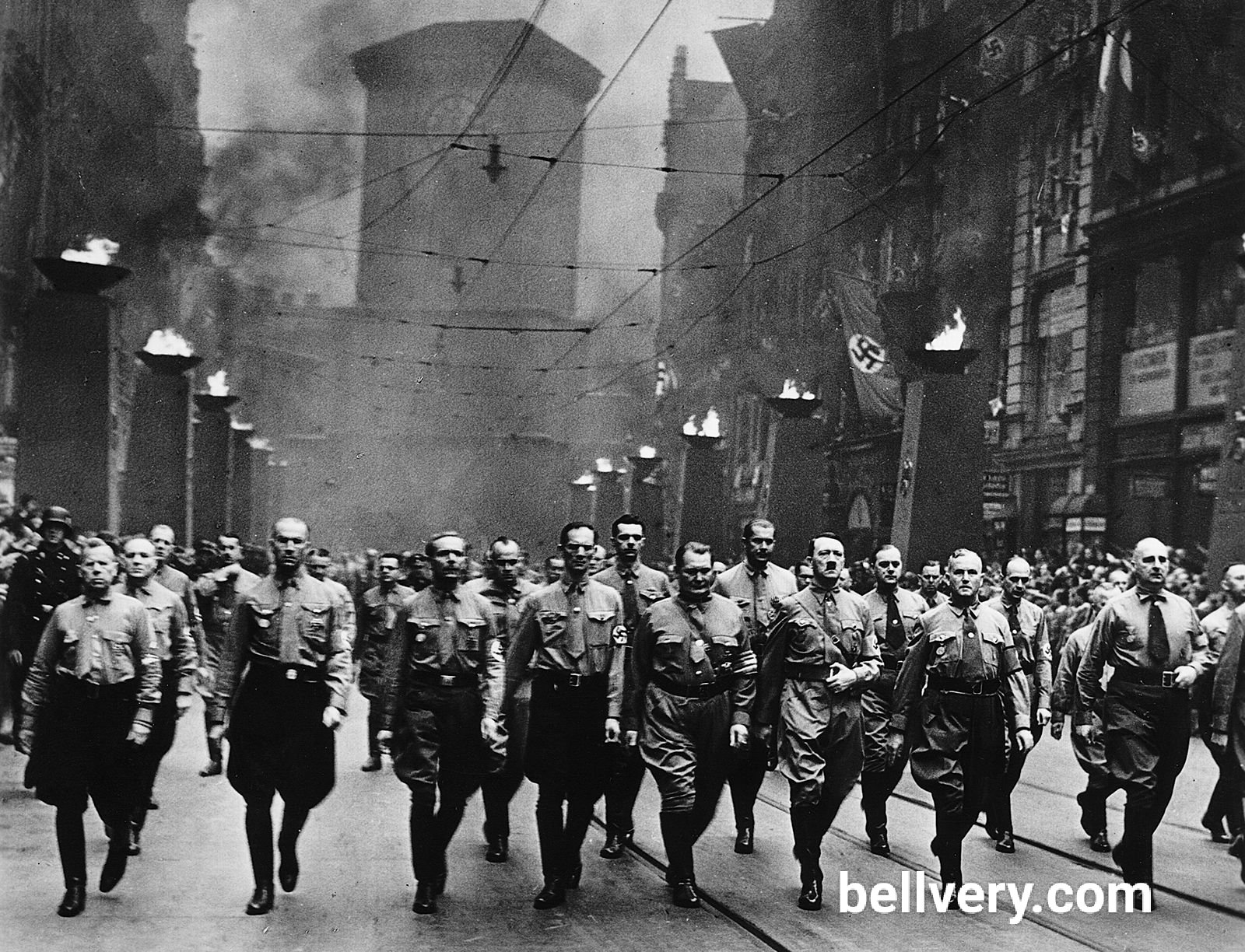
Fascisterne is a term that evokes strong emotions and vivid historical imagery. It embodies ideologies that have shaped nations and influenced countless lives. Understanding fascisterne requires delving into its origins, core beliefs, and lasting impact on society today. As we navigate through this complex topic, we’ll explore the characteristics of fascism, its role in major events like World War II, and how remnants of these ideologies can still be seen in modern culture. Join us on this enlightening journey to uncover the intricacies of fascisterne and why it remains relevant in our current world.
The Historical Origins of Fascist Movements
Fascisterne traces its roots to early 20th-century Europe, emerging amid social and economic turmoil. It offered a response to perceived threats from communism and liberal democracy, promoting nationalism as a unifying force.
The ideology emphasizes authoritarian governance, often coupled with militarism and anti-communism. While each fascist movement varies by country, the core principles remain strikingly similar across different contexts.
What Is Fascisterne?
Fascisterne refers to a political ideology characterized by authoritarianism, nationalism, and the suppression of dissent. It emerged in early 20th-century Europe as reactions against socialism and liberal democracy.
This movement glorifies the state above individual rights and often promotes militarism. Fascisterne seeks unity through a single-party rule, emphasizing collective identity over personal freedoms while frequently employing propaganda to maintain control.
Historical Origins of Fascisterne
Fascisterne emerged in the early 20th century, primarily in Europe. Its roots can be traced to various socio-political upheavals following World War I. Economic instability and social unrest fueled its growth.
The movement drew from nationalist sentiments and a rejection of communism. Leaders like Benito Mussolini helped shape fascist ideologies, promoting authoritarian governance and militarism as solutions to national crises.
What are some common characteristics of fascism?
Fascism often revolves around authoritarian nationalism, emphasizing strong centralized power. It values the state over individual rights, fostering a collective identity rooted in cultural or ethnic pride.
Another characteristic is the disdain for political pluralism. Fascist regimes typically suppress dissent and promote propaganda to maintain control and influence public perception. This creates an environment where opposition is not tolerated.
Fascisterne and World War II
Fascisterne played a significant role during World War II, primarily through the rise of regimes in Italy and Germany. These governments embraced aggressive expansionist policies, leading to widespread conflict across Europe.
Their ideologies fueled militarism and nationalism, resulting in devastating consequences for millions. The alliance between fascist states created a formidable threat that shaped the course of global history during this tumultuous era.
What country is known for fascism?
Italy is often regarded as the birthplace of fascism. Under Benito Mussolini, the regime established a model that inspired other movements across Europe.
Germany later adopted similar principles under Adolf Hitler’s Nazi regime. These two countries became synonymous with fascist ideologies during the 20th century, shaping global perceptions and political landscapes for decades to come.
Main Beliefs Associated With Fascisterne
Fascisterne emphasizes a strong centralized state, often prioritizing national unity over individual rights. It promotes authoritarian leadership and militarism, believing that the nation must be ready to defend itself aggressively.
Social Darwinism and nationalism are key tenets as well. Fascisterne glorifies cultural superiority while suppressing dissent. This ideology fosters an “us versus them” mentality, which can lead to xenophobia and intolerance within society.
Why Fascisterne Still Matters Today
Fascisterne remains relevant today as it serves as a cautionary tale. The ideologies behind fascism can resurface in various forms, often disguised under populist rhetoric.
Understanding these principles is crucial for identifying threats to democracy and civil liberties. Awareness helps societies guard against the allure of authoritarianism that can emerge during times of crisis or uncertainty.
The Role of Propaganda in Fascisterne
Propaganda played a crucial role in the rise of fascisterne. It was used to shape public perception, control narratives, and promote ideologies. Symbols, slogans, and mass rallies created a sense of unity and strength.
Through media manipulation, fascist regimes spread their messages effectively. They targeted emotions over reason, fostering loyalty while suppressing dissent. This strategy ensured widespread acceptance of their radical beliefs within society.
Fascisterne in Modern Culture and Media
Fascisterne continues to resonate in modern culture and media, often depicted in films, literature, and art. These representations foster a dialogue about authoritarianism, power dynamics, and societal fears.
Documentaries and fictional works explore the complexities of fascist regimes. They challenge audiences to reflect on historical contexts while raising awareness about the dangers of extremist ideologies today.
Fascisterne in Danish History
Fascisterne emerged in Denmark during the early 20th century, influenced by broader European trends. The Danish National Socialist Workers’ Party gained traction in the 1930s, promoting nationalism and anti-communism.
During World War II, some Danes collaborated with Nazi Germany, leading to a complex relationship between fascist ideologies and Danish society. This dark chapter remains a topic of discussion among historians today.
Fascisterne Across European Countries
Fascisterne manifested in various forms across Europe, each adapting to local contexts. In Italy, Mussolini’s regime showcased authoritarian nationalism, while Spain saw Franco blend fascism with traditional conservatism.
Germany’s Nazi Party took the ideology further with intense racial theories and militarization. Other nations like Hungary and Romania also flirted with fascist principles, influencing their political landscapes significantly during the early 20th century.
Lessons from History and Preventing Future Risks
History offers crucial lessons about the dangers of fascisterne. Understanding how past regimes gained power can help societies recognize early signs of authoritarianism today.
Education and open dialogue are vital in combating extremist ideologies. Communities must foster critical thinking to prevent manipulation and promote tolerance, ensuring that history does not repeat itself. Empowering individuals is key to safeguarding democracy for future generations.
Relevance of Fascisterne in Today’s World
Fascisterne remains relevant today as we witness the resurgence of authoritarian movements in various parts of the world. The ideologies rooted in fascism often resurface during times of social unrest and economic instability.
Understanding these dynamics is crucial for recognizing patterns that threaten democratic values. Awareness can empower individuals to challenge extremist rhetoric and promote inclusivity within their communities.
Collapse of Fascist Regimes
The collapse of fascist regimes marked a significant shift in global politics. Many were driven by internal dissent, economic struggles, and the pressure from allied forces during conflicts.
These failures revealed the fragility of authoritarian systems. As resistance grew, oppressive measures could no longer suppress public discontent. This paved the way for new political movements and ideologies to emerge across Europe and beyond.
In which countries did fascism achieve prominence?
Fascism achieved prominence primarily in Italy and Germany during the early to mid-20th century. Mussolini’s regime in Italy set a precedent, while Hitler’s Nazi Germany took these ideas to extreme levels.
Spain also saw fascist influences under Franco’s rule, coupled with authoritarian nationalism. Additionally, countries like Hungary and Romania experienced variations of fascism, reflecting local contexts and historical tensions.
National fascisms
National fascisms emerged uniquely in various countries, shaped by specific cultural and historical contexts. Each variant adopted core tenets of fascism while infusing local beliefs and narratives.
These movements often emphasized nationalism, militarism, and authoritarian rule. By manipulating national identity, they sought to unify populations under a singular ideology, frequently at the expense of marginalized groups. Such dynamics played a crucial role in their rise across Europe.
Core Ideology of Fascism
Fascism centers on a strong, centralized authority and nationalism. It often promotes the idea of a superior national identity while suppressing dissent. This ideology values loyalty to the state above individual rights.
Additionally, fascists advocate for militarism and social Darwinism. They tend to reject democratic principles and promote an authoritarian leadership that claims absolute power in pursuit of national rejuvenation.
Key Figures and Their Influence on Fascist Ideology
Key figures played a pivotal role in shaping fascist ideology. Leaders like Benito Mussolini and Adolf Hitler shaped their nations’ paths through powerful rhetoric and charismatic authority. Their actions inspired movements across Europe, influencing societal norms.
Philosophers such as Giovanni Gentile contributed to the theoretical foundations of fascism. Their writings provided justification for authoritarian rule, appealing to national pride and collective identity among followers.
Leaders and Movements of Fascisterne
Fascisterne saw a range of leaders who shaped its ideology and direction. Figures like Benito Mussolini in Italy and Francisco Franco in Spain played pivotal roles, each bringing unique interpretations to fascist principles.
Movements emerged across Europe, often marked by intense nationalism and authoritarianism. These movements sought power through rallies, propaganda, and sometimes violent means, leaving lasting impacts on their societies.
Understanding and Combating Fascisterne Ideologies
Understanding fascisterne ideologies is crucial in today’s society. By examining their roots, we can better recognize harmful rhetoric and actions that threaten democracy and human rights.
Combating these ideologies requires education and open dialogue. Encouraging critical thinking helps individuals discern truth from propaganda, fostering a more informed public resistant to extremist views. Awareness is the first step toward prevention.
What lessons can society learn from Fascisterne?
Studying Fascisterne offers critical insights into the dangers of unchecked power and extreme nationalism. Societies must recognize the signs of rising authoritarianism to safeguard democratic values.
Education plays a vital role in preventing history from repeating itself. By fostering critical thinking and promoting inclusivity, we can create resilient communities that challenge hate and division before they take root.
Conclusion
Understanding fascisterne requires careful examination of its roots and impact on society. It serves as a reminder of the fragility of democracy.
By recognizing the signs and ideologies associated with fascism, we can foster open dialogue, promote tolerance, and safeguard our values. Engaging with history equips us to face contemporary challenges more effectively.
Leave a Reply Cancel reply
Understanding fascisterne is essential for grasping the complexities of modern political ideologies. The lessons from history remind us to remain vigilant against threats that undermine democracy and human rights. By educating ourselves about fascism’s roots and manifestations, we can better protect our societies from repeating past mistakes. Engaging in thoughtful dialogue about these issues fosters resilience and unity against divisive ideologies.
Leave a Reply Cancel reply