

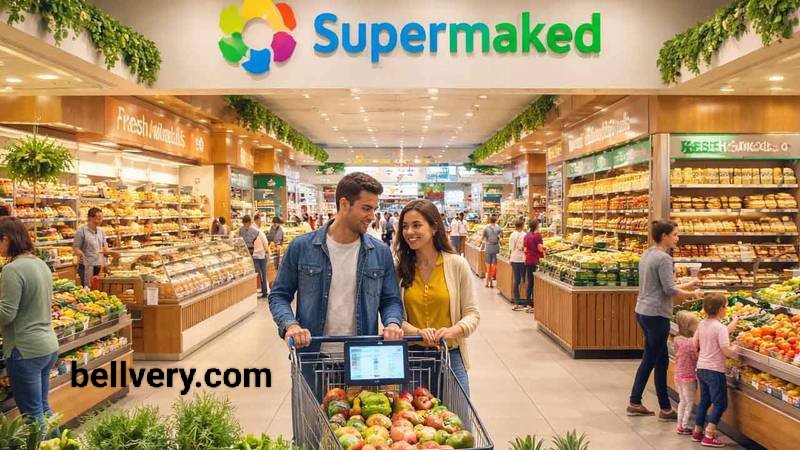
The retail industy is changing fast,and understanding supermaked is the key to staying ahead.while a traditional supermarket focuses on basic sales,modern management requires a deeper look into efficiency and customer service. From their fascinating history to innovative management strategies, supermarkets have evolved into vital hubs for consumers and retailers alike. Join us as we explore the secrets that make these grocery giants thrive in an ever-changing marketplace. Buckle up; it’s time to dive deep into the heart of supermarket management!
Key Insights into Successful Retail Operations
Successful supermarket management hinges on understanding consumer behavior, optimizing product placement, and maintaining efficient supply chains. By employing savvy marketing techniques and innovative technologies, supermarkets create an inviting shopping experience that keeps customers returning. These strategies ensure they remain competitive in a crowded market landscape filled with evolving trends.
History of Supermarkets
The history of supermarkets traces back to early retail food sales, evolving from small grocers to expansive stores. The concept gained momentum in the 1930s with the first true supermarket, revolutionizing shopping by offering diverse products under one roof and paving the way for international expansion in later decades.
Early history of retail food sales
The early history of retail food sales dates back to ancient civilizations, where marketplaces thrived. Vendors showcased fresh produce and grains, creating a vibrant exchange of goods. These communal settings laid the groundwork for modern shopping experiences, emphasizing convenience and variety long before supermarkets emerged on the scene.
Birth of the supermarket
The supermarket emerged in the 1930s as a groundbreaking retail concept. It combined self-service with an extensive range of products, allowing customers to browse freely. This shift revolutionized shopping habits, making grocery purchases more convenient and efficient for families across America, forever changing the landscape of food retailing.
Grocery stores become supermarkets
As consumer demand grew, grocery stores evolved into supermarkets. This shift introduced a wider variety of products under one roof, enhancing the shopping experience. With self-service models and innovative layouts, supermarkets became convenient destinations for families, revolutionizing how people approached food shopping in the mid-20th century.
International expansion
International expansion has transformed the supermarket landscape. Brands now cross borders, adapting to local tastes and cultures. This global reach not only boosts sales but also fosters diverse shopping experiences, offering consumers unique products from around the world while enhancing competition in various markets.
Supermarket Management Strategies
Successful supermarket management hinges on effective strategies. Focus on growth in developing countries, curate a diverse merchandise selection, and optimize store layouts for customer flow. Understanding U.
S. categorization enhances inventory organization and improves the shopping experience, driving repeat business and increasing overall sales performance.
Growth in developing countries
The growth of supermarkets in developing countries is reshaping local economies. As urbanization accelerates, these retailers offer convenience and variety, meeting the demands of a burgeoning middle class. This expansion not only enhances consumer access but also creates jobs and stimulates agricultural supply chains across regions.
Typical supermarket merchandise
Supermarkets offer a diverse range of products to cater to various consumer needs. You’ll find fresh produce, dairy items, meats, canned goods, frozen foods, and household essentials. Many also stock specialty items like organic products or international cuisine ingredients, making them convenient one-stop shops for shoppers.
Layout strategies
Effective layout strategies are vital for guiding shoppers through the store. Utilizing design elements like wide aisles, strategic product placement, and eye-catching displays can enhance customer experience. Creating a logical flow helps increase impulse buys while ensuring essential items are easily accessible. It’s all about optimizing space for maximum engagement.
U.
S. categorization
In the U.
S., supermarkets are categorized based on size, variety, and services offered. Traditional grocery stores focus primarily on food items. Meanwhile, larger supermarkets provide a wide range of products including household goods, clothing, and even pharmacies. This diversification caters to varying consumer needs and preferences across different regions.
Challenges and Criticisms
Supermarkets face several challenges, including rising operational costs and fierce competition. Critics argue that giant chains contribute to local business closures and promote unhealthy eating habits. Additionally, concerns about labor practices and sustainability issues add to the scrutiny these retail giants encounter in today’s socially conscious marketplace.
Criticisms
Supermarkets face criticism for various reasons. Concerns include their impact on local businesses, labor practices, and the promotion of unhealthy food options. Additionally, issues like waste management and environmental sustainability often arise, prompting calls for more responsible practices within the industry. Consumer awareness continues to grow in response.
Organic and environmentally-friendly supermarkets
Organic and environmentally-friendly supermarkets cater to health-conscious consumers. They prioritize sustainable practices, sourcing local produce and reducing plastic waste. These stores often feature a wide variety of organic products, promoting eco-friendly choices that resonate with modern shoppers seeking healthier lifestyles while supporting the planet’s well-being.
Innovation in Supermarket Management
The 21st century has brought remarkable innovations to supermarket management. Advanced technology enhances inventory tracking, while data analytics tailors customer experiences. Online-only supermarkets have emerged, reshaping shopping dynamics and convenience. Emphasis on sustainability is also growing, pushing retailers to adopt eco-friendly practices that resonate with conscious consumers.
In the 21st century
The 21st century has ushered in a digital revolution, transforming supermarket management. Automation, data analytics, and customer engagement through apps have reshaped shopping experiences. Sustainability practices are now essential, as consumers demand eco-friendly options. Supermarkets adapt quickly to trends, ensuring they remain relevant in an ever-evolving market landscape.
Online-only supermarkets (21st century)
Online-only supermarkets have surged in popularity, driven by convenience and technology. Customers can browse vast selections from home, often benefiting from competitive pricing. Innovations like same-day delivery and smart shopping carts enhance the experience, making grocery shopping seamless and efficient without ever stepping foot inside a physical store.
Resources and Recommendations
For those eager to dive deeper into supermarket management, consider exploring industry reports and magazines. Websites like Supermarket News offer valuable insights. Books by retail experts can also provide essential strategies. Networking with professionals through forums or conferences can enhance your understanding of current trends and challenges in the field.
See also
For those interested in supermarket management, exploring related topics can enhance your understanding. Check out articles on supply chain logistics, consumer behavior trends, and effective marketing strategies. These resources provide valuable insights that complement the world of supermarkets and enrich your knowledge about the retail landscape.
References
For those looking to dive deeper into supermarket management, a variety of books and articles are available. Key studies from industry experts provide valuable insights into best practices. Academic journals often explore evolving trends, while government publications offer data on market statistics and consumer behavior in the grocery sector.
Further reading
For those interested in diving deeper into supermarket management, several insightful books and articles explore trends, strategies, and case studies. Look for titles that analyze consumer behavior, supply chain management, and the impact of technology on retail environments to enhance your understanding.
External links
For those eager to delve deeper into supermarket management, various external links offer valuable insights. Explore industry reports, expert blogs, and relevant research papers. These resources can enhance understanding of trends, strategies, and innovations shaping the future of supermarkets in an ever-evolving marketplace.
What is the concept of a super market?
A supermaked is a large retail establishment offering a wide variety of food and household products. It combines convenience with affordability, providing shoppers an all-in-one destination for groceries, personal care items, and more. The layout promotes easy navigation, enhancing the overall shopping experience while catering to diverse consumer needs.
What is the 3 3 3 rule for groceries?
The 3 3 3 rule is a handy guideline for grocery shopping. It suggests buying three fresh items, three canned or packaged goods, and three frozen items. This balanced approach helps ensure variety in your diet while keeping your pantry stocked with essentials for easy meal prep.
The Benefits of Supermaked for Consumers and Retailers
Supermaked offers a unique shopping experience for consumers and retailers alike. Customers enjoy convenience, affordability, and variety in products. Retailers benefit from streamlined operations, increased foot traffic, and loyalty programs that encourage repeat visits. This dynamic environment enhances customer satisfaction while driving sales growth for businesses.
What Is Supermaked?
Supermaked is a modern retail concept that combines convenience and variety. It offers a wide range of products, from groceries to household items, all under one roof. This innovative shopping experience focuses on efficiency and customer satisfaction, making it an appealing choice for today’s busy consumers.
Supermaked vs. Supermarket
Supermaked focuses on a streamlined shopping experience, often with a limited selection tailored to customer preferences. In contrast, traditional supermarkets offer a vast array of products and services. The two formats cater to different consumer needs, making them unique players in the retail landscape.
Supermaked Stores in Action
Supermaked stores buzz with activity as shoppers navigate vibrant aisles filled with fresh produce, pantry staples, and unique specialty items. Staff members assist customers while ensuring shelves are stocked. Promotions and discounts entice buyers to fill their carts, creating a lively atmosphere that enhances the shopping experience.
What You Can Expect When Shopping at Supermaked
When shopping at Supermaked, expect a vibrant atmosphere filled with diverse products. You’ll find organized aisles showcasing fresh produce, ready-to-eat meals, and unique specialty items. Friendly staff are always available to assist you. Plus, enjoy competitive prices that make shopping both enjoyable and budget-friendly.
Conclusion
Supermarkets have transformed the way we shop for groceries. Their evolution reflects changes in consumer behavior, technology, and global influences. As supermarkets continue to innovate and adapt, they will likely remain a staple in our daily lives. The concept of “supermaked” may represent a new direction in retail food sales that caters to modern needs. With their unique offerings and strategies, supermaked stores are poised to redefine convenience shopping for consumers. Embracing these trends can lead to exciting experiences both for shoppers and retailers alike.