

Attrition can be a silent killer for organizations, quietly draining talent and resources. Many leaders grapple with high turnover rates, often overlooking the profound impact attrition has on company culture and productivity. When employees leave, it not only disrupts workflows but also affects morale among those who stay. Understanding how to effectively manage attrition is crucial for any organization aiming for long-term success. Let’s dive into strategies that can help reduce this issue and create a thriving workplace where employees feel valued and engaged.
Understanding Attrition and Its Impact
Attrition refers to the gradual loss of employees over time, whether through voluntary resignations or involuntary separations. High attrition rates can signal deeper issues within a company, affecting everything from team dynamics to overall productivity.
When talent exits frequently, knowledge and experience are lost, leading to disruptions in projects and workflow. The cost of hiring and training new staff adds up quickly too. Understanding these impacts is vital for organizations aiming to foster stability and enhance employee satisfaction across all levels.
Importance of Managing Attrition
Managing attrition is crucial for maintaining organizational stability. High turnover rates can disrupt team dynamics, hinder productivity, and lead to increased hiring costs. When employees leave frequently, it creates a knowledge gap that can be challenging to fill.
Additionally, managing attrition fosters a positive workplace culture. Employees who feel valued and engaged are less likely to seek opportunities elsewhere. By prioritizing retention strategies, companies not only save money but also enhance their reputation as an employer of choice in the competitive job market.
Identifying Root Causes of Attrition
Understanding the root causes of attrition is crucial for creating effective retention strategies. Employees may leave due to various factors, including lack of career growth, poor management practices, or dissatisfaction with company culture.
Conducting exit interviews can provide valuable insights into why employees are departing. Regular surveys and feedback sessions also help identify underlying issues before they lead to higher turnover rates. By addressing these concerns early on, organizations can create a more supportive environment that fosters employee loyalty and satisfaction.
Strategies for Reducing and Preventing Attrition
Creating a positive workplace culture is key. Encourage open communication and regular feedback. Employees should feel valued and heard, which fosters loyalty.
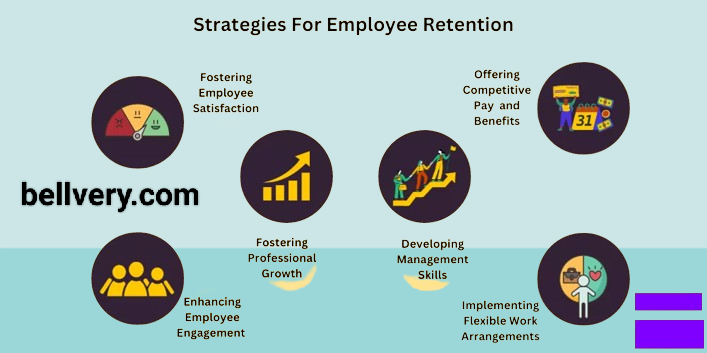
Flexible work arrangements can also play a significant role in retention. Offering options like remote work or flexible hours helps employees balance their personal lives with job responsibilities. Implementing programs for professional development shows commitment to growth, further engaging your workforce and reducing attrition rates effectively.
Implementing a Retention Plan
Creating a retention plan requires a tailored approach that fits your organization’s unique culture and workforce. Start by defining clear objectives, such as improving employee engagement or enhancing career development opportunities. Involve employees in the process to ensure their needs and aspirations are reflected.
Next, establish metrics to track progress. Regularly assess the effectiveness of your strategies through surveys and feedback sessions. Adjust your initiatives based on these insights, ensuring they remain relevant and impactful over time. A dynamic retention plan keeps talent motivated and reduces attrition rates significantly.
Leadership Role in Attrition Management
Effective leadership is crucial in managing attrition. Leaders set the tone for workplace culture and employee engagement. When leaders are approachable and supportive, employees feel valued, reducing turnover rates.
Additionally, strong leaders actively listen to their teams’ concerns. By fostering open communication channels, they can address issues before they escalate into reasons for leaving. Investing time in team-building activities also helps create a sense of belonging that encourages employees to stay committed to the organization’s goals.
Measuring Success in Attrition Management
Measuring success in attrition management involves tracking key metrics. Start with your turnover rate, which reveals how many employees leave within a specific timeframe. This figure can highlight trends and patterns that need addressing.
Employee surveys are another valuable tool. They provide insight into job satisfaction and areas for improvement. Collecting data through exit interviews also helps identify why people are leaving. By analyzing this information regularly, organizations can adjust their strategies effectively to enhance retention rates over time.
Conclusion: Investing in Employee Retention
Investing in employee retention is more than just a strategy; it’s an essential part of organizational growth. When companies prioritize their workforce, they not only reduce attrition but also foster loyalty and engagement. A committed team drives productivity, innovation, and ultimately success.
By implementing targeted strategies to manage attrition, organizations create a positive work environment that attracts top talent. Remember that every effort made towards retaining employees pays dividends in the form of knowledge retention and improved morale.
Embrace these principles with openness and dedication. The journey toward reducing attrition begins with recognizing its significance and taking actionable steps to retain valuable team members. Your organization will thrive when you invest in your most important asset—your people.